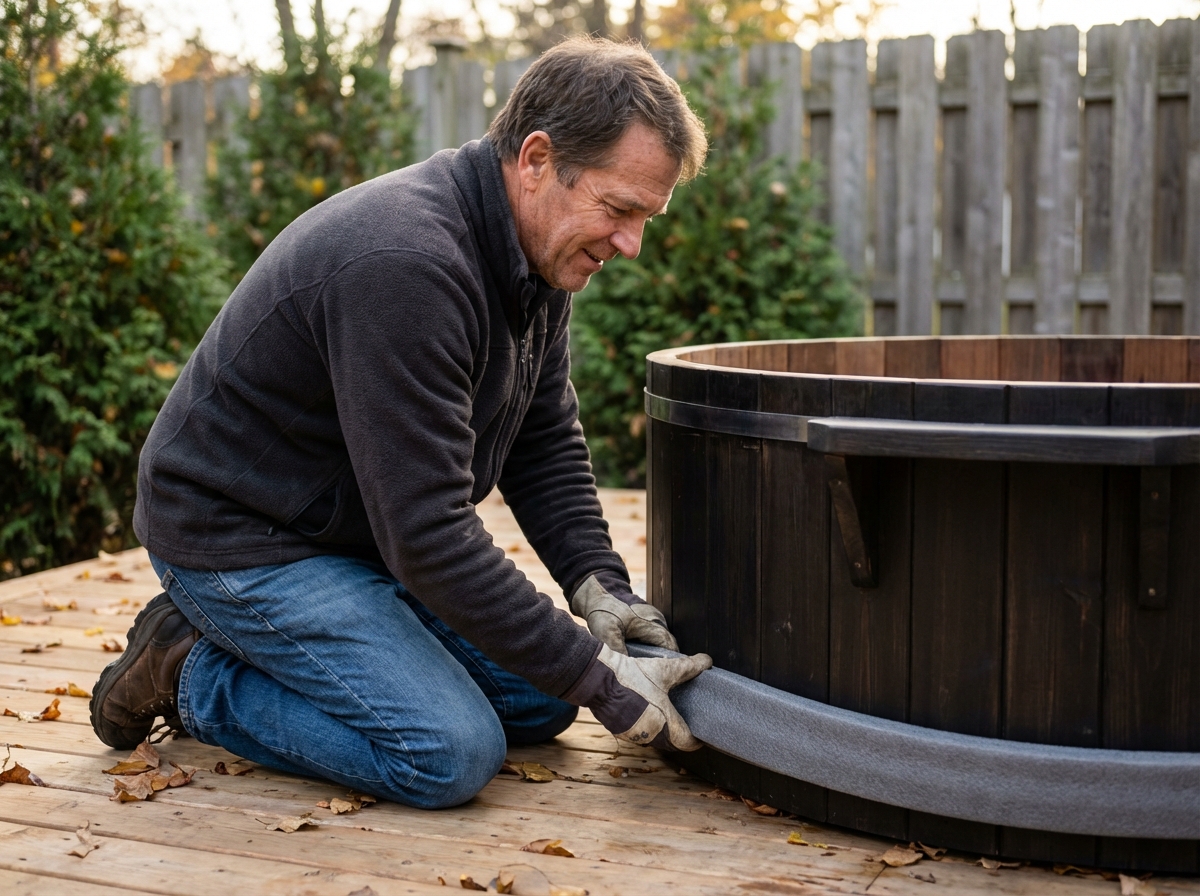
A poorly insulated outdoor spa can consume up to three times more energy than a properly protected model. Some manufacturers still neglect the quality of insulation materials, relying on the power of heating systems to compensate for thermal losses. This approach leads to a significant increase in operating costs, as well as premature wear of the equipment.
The energy performance of a spa largely depends on controlling heat loss through the shell, plumbing, and cover. Technical solutions exist to optimize each weak point, limit environmental impact, and preserve the longevity of the installation.
Why the insulation of your outdoor spa makes all the difference
In managing an outdoor spa, the question of insulation is not trivial. A poorly protected jacuzzi quickly becomes an energy sink. Energy consumption skyrockets, the water temperature becomes unstable, and heating cycles follow one another, putting the system to the test. Everything hinges on reducing heat loss, point by point.
Outdoor spa insulation revolves around three pillars: the shell, plumbing, and cover. Protecting the basin with a spa cover, a comprehensive analysis of the differences between rigid and inflatable covers can be found on Infos du Jour, already reduces nighttime thermal losses by over 60%. Off-peak hours then become an opportunity: simply heat during the periods with reduced rates, and then preserve the heat effectively with proper protection.
Maintaining the water at the right temperature continuously avoids spikes in consumption and unnecessary strain on the equipment. The result: the equipment lasts longer, noise levels decrease, and the environmental footprint lightens. Few owners realize how much well-thought-out insulation impacts usability, component preservation, and energy bills. In a context where electricity is expensive, every detail deserves attention.
What solutions are there for effectively insulating your spa and what benefits can you expect?
Insulating an outdoor spa is not a superfluous precaution: it structures the thermal performance of the whole system. Several devices stand out and offer concrete solutions. Among them, high-density polyurethane foam has established itself as a reference. Injected all around the shell, it forms a durable barrier against thermal losses. The higher the density, the more evident the resistance to cold and temperature variations becomes.
The triple-layer ISOPLUS technology goes further: it combines this foam with a base made of ABS designed to withstand humidity and a reinforcement screen. This trio locks in losses, even during the harshest winters. To maintain these performances over time, it is essential to adopt regular maintenance: frequent cleaning of filters, checking the condition of insulation and the cover.
Here are two pieces of equipment that further optimize the efficiency of your installation:
- Electronic control system: it allows you to schedule heating and filtration phases, limiting unnecessary overconsumption.
- Eco-plus circulation pump: it keeps the water moving to maximize heating efficiency and minimize losses.
The results are quickly noticeable: the longevity of your spa increases, energy expenditure decreases, and the water temperature remains stable. The experience in the hot tub gains in comfort, while the technology supports the robustness of the installation. Every element, every check, every accessory choice contributes to a coherent whole, designed to last and consume less.
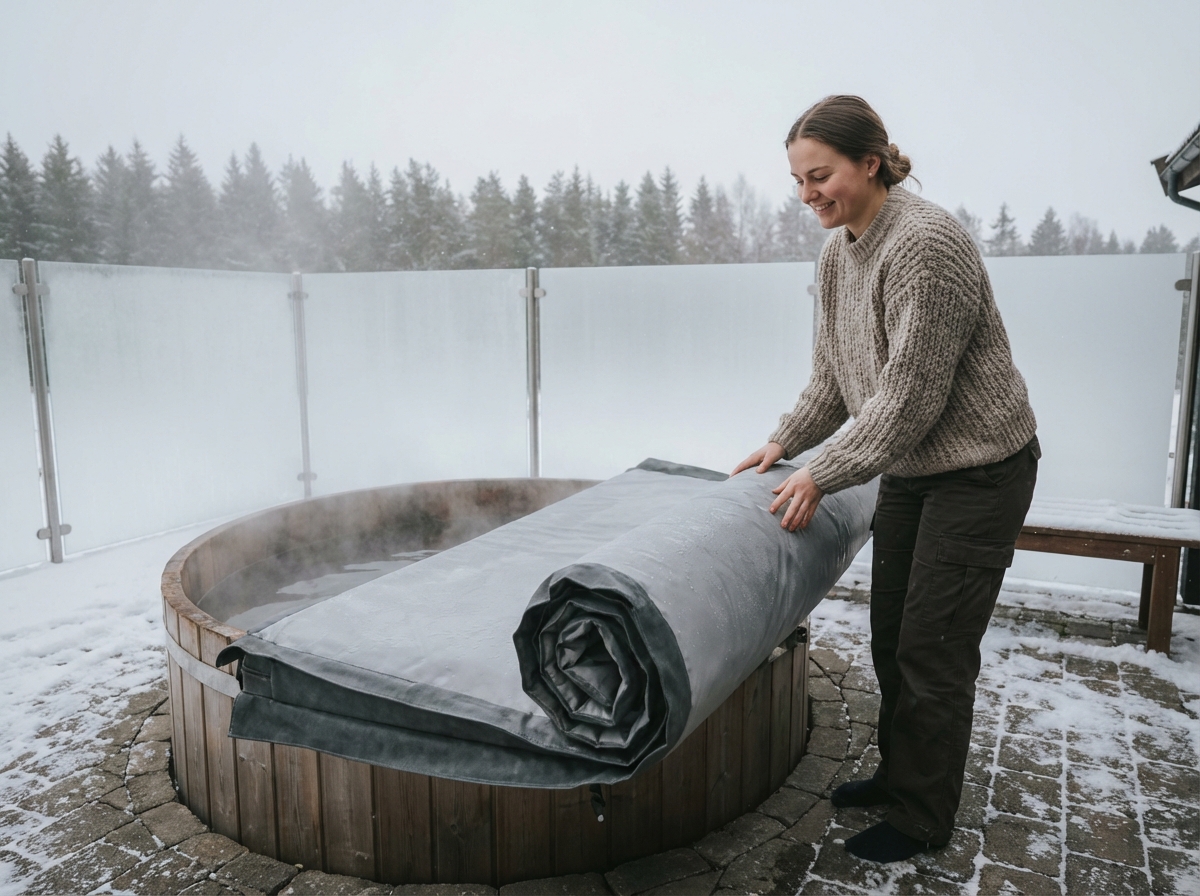
Choosing the right thermal cover and managing your daily energy expenses
In the equation of the outdoor spa, the thermal cover plays a role that is often underestimated. It represents the first line of defense against heat loss and unnecessary electricity consumption. The choice should leave nothing to chance. Prioritizing a high-density foam ensures that the insulation withstands temperature fluctuations season after season. A double barrier against humidity prevents the foam from absorbing water, which maintains performance over time.
Some models offer a full-length steam plug at the hinge to prevent any heat leakage. This technical detail has a real impact on the stability of the water temperature.
To choose and use your cover effectively, a few practical elements deserve consideration:
- The reinforced hinge optimizes overall sealing.
- The cover cap effectively protects against rain and external aggressions.
- The cover lifter facilitates daily handling while limiting premature wear.
Activate the economy mode on your control panel: the temperature drops during absences, and the electricity consumption adjusts without spoiling the pleasure of returning to a spa at a good temperature. Programming heating during off-peak hours reduces the bill effortlessly. Combined with a suitable cover, this management transforms spa use into a controlled, efficient, and budget-friendly moment of relaxation. Reliable accessories and wise settings: that’s the foundation of a spa ready to face all seasons without unpleasant surprises.
A well-insulated spa promises comforting baths, tangible savings, and lasting peace of mind. It is up to everyone to choose the technical requirements that serve pleasure, to enjoy without counting, neither on the bill nor on quality.