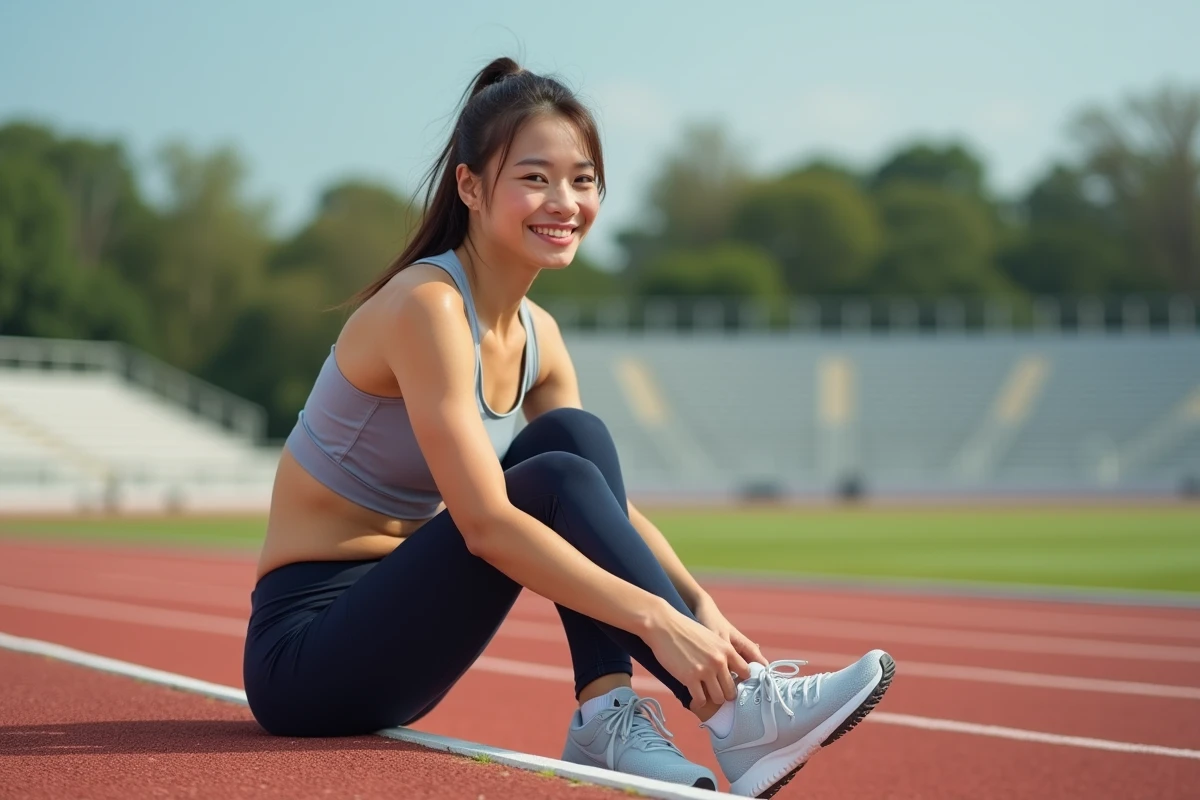
Nearly 10% of French amateur athletes adopt a vegetarian or vegan diet while maintaining or improving their performance. Contrary to popular belief, muscle mass and recovery do not solely depend on animal proteins. Nutritional recommendations are evolving: ANSES has validated since 2021 the possibility for athletes to meet all their needs with a suitable plant-based diet.
The balance between protein intake, essential micronutrients, and the timing of meals is emerging as a decisive lever for the effectiveness of vegetarian diets among both endurance and strength athletes.
Why vegetarian athletes have nothing to envy from omnivores
The list of great champions speaks for itself: Lewis Hamilton, Novak Djokovic, Venus Williams, Patrik Baboumian, Scott Jurek. All have built their careers on a vegetarian or vegan diet without seeing their performance hindered. Far from limiting strength, endurance, or recovery, this dietary approach is now prominent in the landscape of modern sports nutrition, coupled with a strong environmental consciousness.
Recent studies confirm that a well-structured vegetarian diet for athletes fully meets the needs for proteins, carbohydrates, and micronutrients. However, rigorous planning is essential. Focusing on a variety of plant sources, legumes, grains, and nuts ensures sufficient intake of amino acids, iron, and vitamins. In the process, overall health is strengthened: accelerated recovery, reduced inflammation, and preserved vitality.
The intensity of athletic practice is no longer an obstacle to adopting a vegetarian lifestyle. The body adapts, and the results follow. This dietary discipline, combined with a fine understanding of physiological needs, paves the way for solid performances without compromising ethical or ecological convictions. The podiums do not lie: deficiency has no place in the debate.
What food choices cover all nutritional needs?
For athletes, vegetarian nutrition requires precise organization. Making plant protein sources the centerpiece of every meal becomes a habit. Soy, lentils, chickpeas provide all the necessary essential amino acids for muscle building and repair. Chia seeds, hemp seeds, and nuts complete the equation, providing fiber, omega-3, and minerals.
For those who exclude all animal products, combining legumes and grains remains key. Rice and red beans, quinoa-chickpea salad, hummus on whole grain bread: each combination optimizes protein and complex carbohydrate intake, which are the preferred fuels for prolonged effort.

If some animal foods are retained, it is better to prioritize eggs and dairy products to diversify protein intake and ensure calcium supply. Strict vegans will turn to a reasoned supplementation: vitamin B12, sometimes iron or omega-3 from microalgae, to be adjusted according to individual needs.
Here are three reflexes that enhance nutritional coverage:
- Multiply plant sources to vary intake.
- Distribute protein intake throughout the day.
- Adjust portions based on training load.
Adopting a vegetarian diet goes far beyond simply eliminating meat. It is an active approach: mastering combinations, ensuring meal timing, and adjusting each choice to support physical effort, day after day.
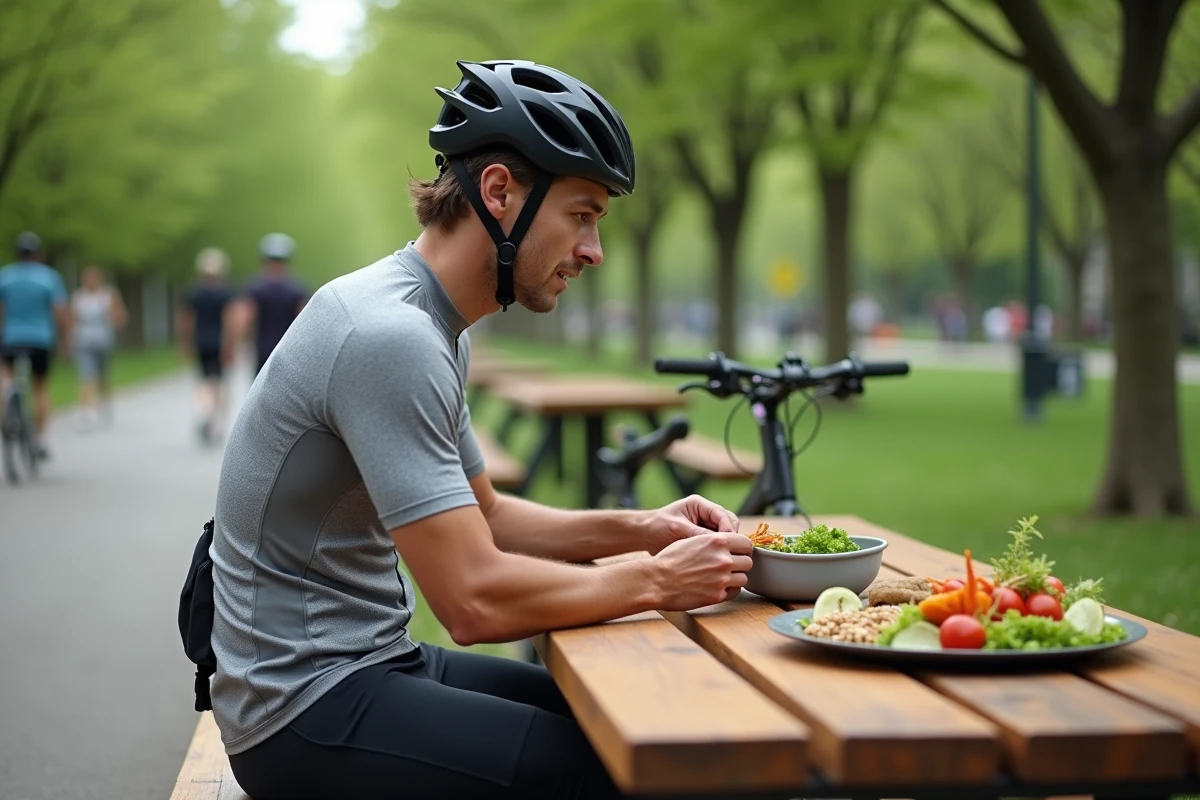
Proteins, iron, B12: practical tips for a high-performance vegetarian diet
Nothing is left to chance when it comes to vegetarian sports nutrition. Diversify your protein intake by varying ingredients: legumes (lentils, chickpeas, beans), quinoa, tofu. Pair them with whole grains to optimize muscle protein synthesis and promote recovery after exercise. Prefer meals spread throughout the day: at breakfast, oatmeal and dried fruits; at lunch, a dish rich in legumes; as a snack, a protein source to accompany the training session.
Iron deserves particular attention. Favor plant foods rich in iron, such as lentils, spinach, pumpkin seeds, and combine them with a source of vitamin C (citrus fruits, bell peppers) to improve absorption. Delay the consumption of tea or coffee beyond meals, as they can limit iron absorption.
Vitamin B12 remains a point of vigilance for vegan athletes. The body does not synthesize it, and it is found only in animal products. Appropriate supplementation, on medical advice, becomes essential.
To integrate this approach into your routine, three practical levers are essential:
- Vary protein sources to ensure intake of essential amino acids.
- Split intake to support muscle growth.
- Keep an eye on your iron and B12 levels to avoid compromising performance and recovery.
Adopting a vegetarian diet is not a concession on performance: it is a bold choice, supported by science as well as by champions. On the track, in the gym, or at the finish line, every meal becomes a solid support, and every progress a living demonstration that strength can arise from a bowl of lentils as much as from a plate of meat. The question remains: how far will you go, driven by the power of plants?