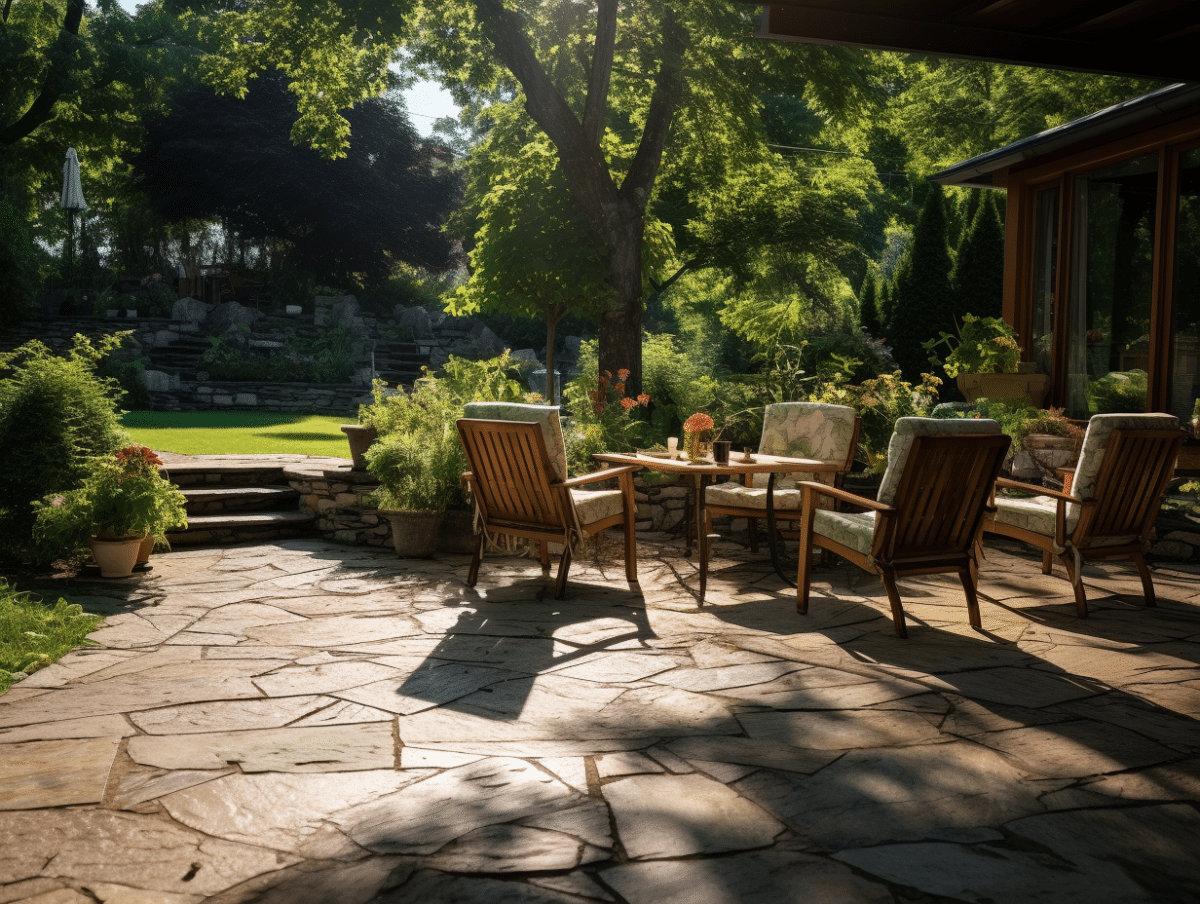
Imagining a haven of peace where nature blends with the architecture of your home is no small feat. The outdoor layout must reflect your personality while ensuring functionality and harmony with the environment. Whether you aspire to a lush garden, an organic vegetable patch, or simply a place to recharge, every detail matters. From the choice of plants to the arrangement of pathways, as well as the furniture and lighting effects, the creation of your green space should be designed to meet your expectations while respecting the local ecosystem.
Understanding your needs and the desired features for your green space
Good planning and imagination converge to transform the outdoor space into a recreational area that resembles you. The purpose of the site influences the layout of each section of your garden. Whether it is a place for relaxation, a play area for children, or a space dedicated to vegetable cultivation, every feature considered must be thought out in correlation with the available space and your priorities.
The exposure of the garden and the path of the sun determine the choice of plants that can thrive in your green space. Take into account municipal regulations, which impose restrictions on horticultural work: height of hedges, property distance, watering bans during certain periods, or the need to obtain a work permit. The harmony between your desires and legal requirements is essential to avoid any setbacks or future disappointments.
The reality of the time allocated to gardening must be considered during planning. A green space requires continuous maintenance and care. Be honest with yourself about the gardening season and the frequency of care you can dedicate to it. Small, well-arranged plots can prove to be more realistic and rewarding for gardeners with busy schedules. A professional landscaper can help you design a green space that maximizes natural beauty while minimizing maintenance time.
Practical tips for designing and arranging your personalized garden
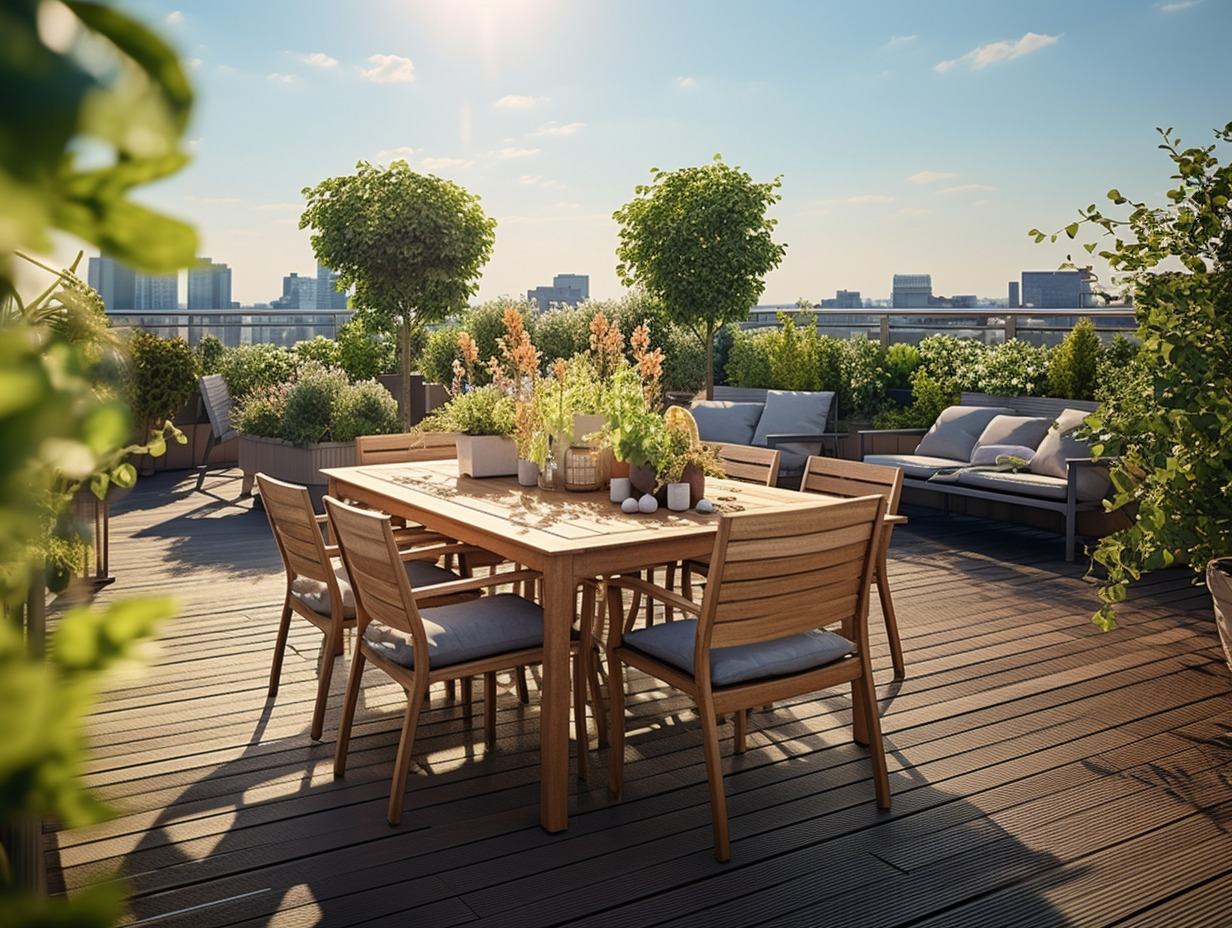
For a personalized garden, the uniqueness of the space dictates the design rules. Whether your garden spans a vast area or a modest balcony, every corner can be optimized to reflect your personality. In small spaces, a dining area styled like a bistro or a relaxation zone can evoke an outdoor living room. For larger plots, consider distinct areas: one for dining, another for resting, or even a spa. The choice of plants is based on sunlight and seasons. Visit a garden center to select trees, shrubs, and flowers that will form the skeleton of your garden and provide continuous visual appeal.
Children and pets require suitable and safe outdoor living areas. Incorporate play areas, durable pots, and appropriate furniture so that everyone finds their place in this vibrant setting. Outdoor decoration is an opportunity to express originality: sculptures, stained glass, frames, mirrors, or even more playful accessories like garden gnomes. Invite winged wildlife by installing elements that attract pollinators and creating fragrant zones for a sensory awakening.
Preserving the privacy of the spaces can be ensured by green screens, trellises, or fences. Movable screens offer flexibility in arranging and protecting your privacy. Ecology and garden maintenance are also important: choose eco-friendly products, natural fertilizers, and resilient plants suited to your hardiness zone to reduce environmental impact and facilitate the upkeep of your green space.