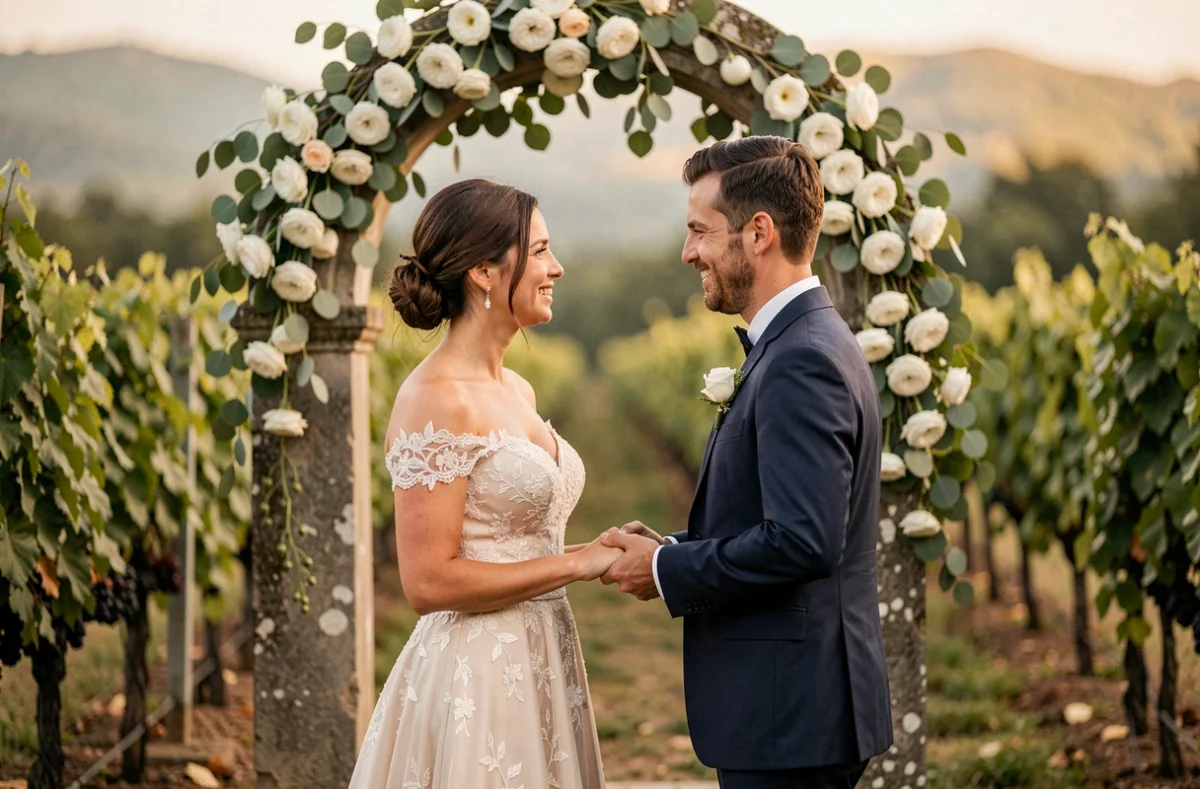
In France, the average age for a first marriage now exceeds 31 years for women and 33 years for men, compared to 22 and 24 years respectively in 1970. This shift profoundly alters the way weddings are organized: couples often manage a busy work schedule, sometimes children from a previous union, and a budget constrained by a mortgage. A successful wedding relies on concrete trade-offs: choice of venue, budget allocation, selection of service providers.
Reception venue and transport: the first area to negotiate
Transport significantly impacts the logistical and financial footprint of a wedding. Consolidating the town hall, ceremony, and reception within the same area reduces shuttles, vehicle rental costs, and the stress for guests unfamiliar with the region.
A single venue or two sites just a few minutes apart radically changes the experience. Guests stay together, no one gets lost between two addresses, and the couple saves time on the day’s schedule. It’s also an environmental lever often more decisive than the choice of flowers or napkins.
To explore venues and service providers that centralize these constraints, you can check out the Mariage Unique website before finalizing your selection.
Before signing with a venue or restaurant, ask three questions rarely addressed in quotes:
- Does the venue require an exclusive caterer, or can you freely choose your provider (which opens up negotiation on prices)?
- What is the allowed noise level in the evening, and until what time? A restriction at 10 PM on amplified music changes the entire organization of the party.
- Does the venue handle cleanup the next day, or do you need to arrange a team (and an additional budget) for dismantling?
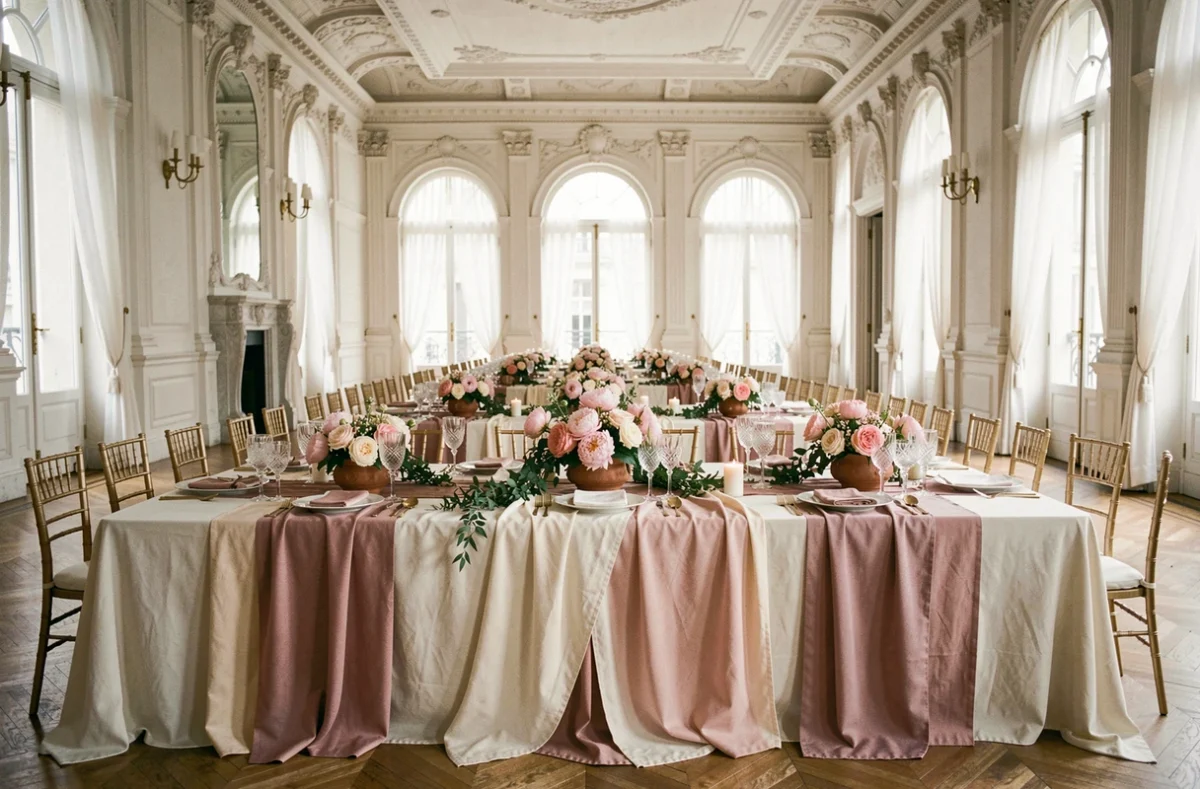
Wedding budget: link each idea to an expense line
Cocktail bar, photobooth, food trucks: each addition has a cost, and adding entertainment without prioritizing leads to exceeding the budget even before settling the catering bill.
The most reliable method is to first establish the three non-negotiable items: the reception venue, the meal, and the drinks, followed by photography or video. These three lines typically represent the majority of the budget. Everything else (decorations, entertainment, invitations, dress) is spread over what remains.
Compare service providers’ quotes beyond the price
A low quote does not mean a good deal. Always ask about the origin of the materials used, cancellation conditions, and whether the provider charges travel expenses. Incorporating these criteria into the comparison avoids unexpected costs discovered at the last minute.
Field feedback varies on this point: some couples find that the cheapest provider in the initial quote becomes the most expensive once extras are added (overtime, non-included equipment, delivery fees). Reading online reviews helps, but asking specific questions during the first meeting remains the safest method.
Secular ceremony and personalization: how far to go
The secular ceremony appeals because it allows couples to write their own vows, choose personal readings, and entrust the officiation to a loved one. However, an overly long or overly packed ceremony tires the audience. The most common feedback points to an ideal duration of around thirty to forty minutes, including musical interventions.
Three elements are enough to give depth to the ceremony without turning it into a spectacle:
- Short personal vows (two to three minutes each), written separately by each member of the couple.
- One or two readings chosen by loved ones, with a pre-approved text to avoid awkward improvisations.
- A unique symbolic ritual (tree planting, sand mixing, time capsule) rather than an accumulation of gestures.
The choice of officiant is as important as the content. A close friend brings emotion, but an officiant who knows the couple poorly or has never spoken in public can make the moment awkward. Planning at least one complete rehearsal at the venue eliminates most issues.

Eco-friendly wedding organization: beyond symbolic gestures
Replacing plastic confetti with flower petals does not constitute an ecological approach. The environmental impact of a wedding focuses on guest transportation, food (meat, imported fish, portion sizes), and waste management after the reception.
Recent recommendations cover the entire service chain: ask caterers about the origin of ingredients, check the recycling conditions of decoration materials, and ensure that providers limit their own travel. Incorporating these questions into each quote allows for comparing offers beyond just price.
Wedding list and gifts: prioritize usefulness
The traditional wedding list (dinnerware, appliances) increasingly corresponds less to couples who have already been living together for several years. A fund allocated to a specific project (trip, renovations, purchase) or a list limited to a few chosen items avoids the accumulation of unused objects.
Some couples suggest donations to a charity instead of gifts. Available data does not allow for measuring the extent of this practice, but testimonials on specialized forums show that guests appreciate transparency regarding the use of funds.
A smooth schedule, selected providers based on specific criteria, and a venue suited to the logistics of the day matter more than a list of activities. Couples who focus their energy on these three points have enough leeway to enjoy the day without chasing after unexpected issues.