
The anti-crushing bar equips most whelping boxes sold to breeders, but its effectiveness depends on parameters that are rarely detailed: mounting height, material, sizing in relation to the dog’s build. Understanding these variables allows for the selection of an appropriate device rather than relying on a standard model.
Thermal risk and flooring: two factors as critical as the bar
Discussions about puppy protection focus on crushing. Two other causes of neonatal mortality deserve the same attention: overheating and accidents related to the flooring.
Exposed bulb heat lamps, often placed above the box, can cause dehydration, discomfort for the mother, and fire hazards. Recent recommendations advocate for a controlled heat source, with a temperate area allowing puppies and the mother to move away if the temperature rises.
The choice of flooring is as important as the bar itself. A textile with loose threads can wrap around the legs of newborns weighing just a few hundred grams. A washable, non-slip covering without loose fibers reduces this risk. Regular inspection of the fabric after each washing cycle remains necessary, as wear can create invisible snags.
Knowing everything about the puppy anti-crushing bar allows for placing this device within a set of measures, rather than as an isolated solution.
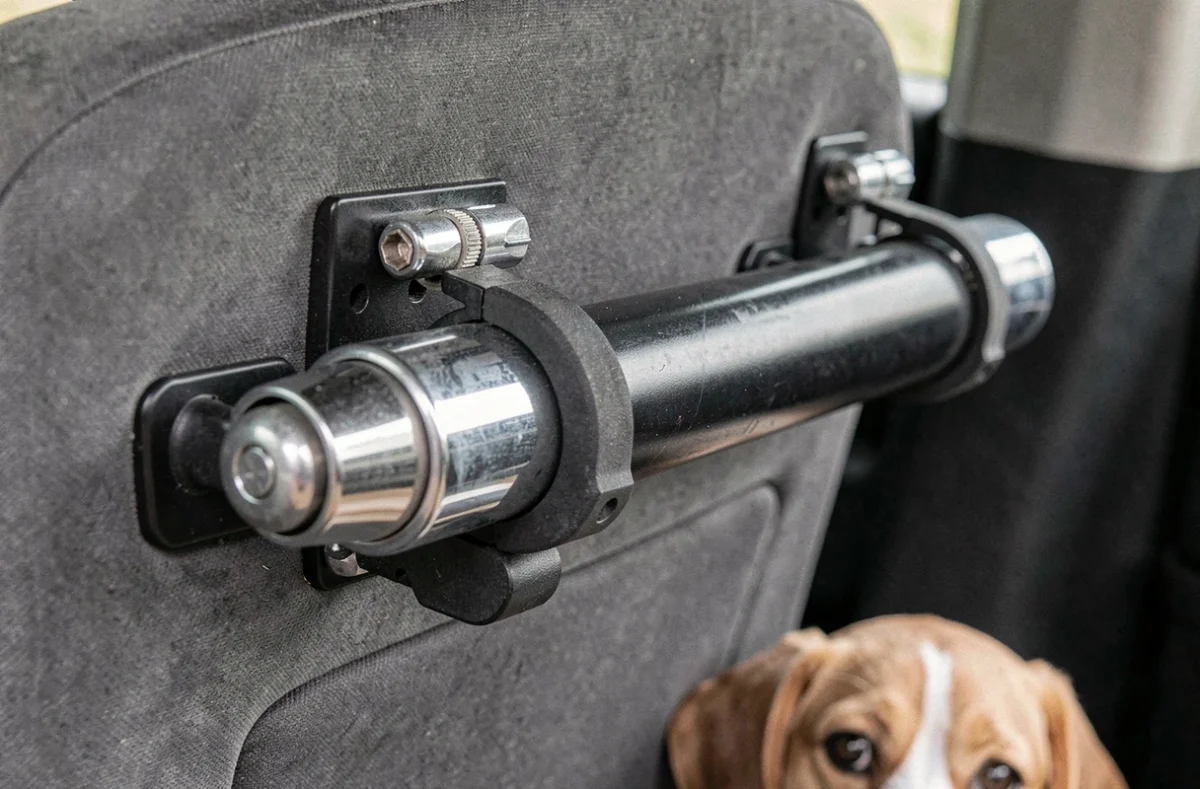
Anti-crushing bar: comparison of materials and configurations
The material of the bar influences its durability, maintenance, and safety. Here is a comparison of the most common options on the whelping box market.
| Material | Maintenance | Durability | Points of caution |
|---|---|---|---|
| Raw wood | Difficult (moisture absorption) | Average (cracks after several litters) | Possible splinters, check after each litter |
| Treated / laminated wood | Moderate (surface cleaning) | Good | Ensure the treatment is non-toxic for puppies |
| PVC / rigid plastic | Easy (washable, disinfectable) | Good to very good | Can become slippery, plan for a non-slip covering on the floor |
| Metal (stainless steel, aluminum) | Very easy | Very good | Thermal conductor: cold to the touch, insulate in winter |
Raw wood remains popular for handmade constructions, but it has a structural flaw: a wooden bar must be checked after each litter to detect cracks and splinters. PVC and metal offer simplified maintenance, which is important when the first weeks of life require daily cleanings.
Box sizing and bar height according to the dog’s build
A box that is too small increases the risk of puppies getting stuck against the walls, even with a properly installed bar. Conversely, a box that is too large keeps newborns away from the heated area and the mother, compromising the thermoregulation of the puppies during their first days.
The mounting height of the anti-crushing bar directly depends on the dog’s build. If the bar is too low, the mother cannot lie down comfortably. If it is too high, the puppies cannot find an effective retreat area when the mother lies down.
Sizing guidelines by breed size
- Small breeds (under ten kilos): the bar is fixed a few centimeters from the ground, the box must leave enough space for the mother to turn around without pushing the puppies against a corner.
- Medium breeds (between ten and thirty kilos): the bar height increases proportionally, and the floor area must allow puppies to gather without being trapped under the mother.
- Large and giant breeds: the box requires reinforced panels and a bar positioned higher. The weight of the mother increases the risk of crushing, but a poorly sized bar can itself become a trap if the retreat space is insufficient.
No universal model adequately covers these three cases. Adapting the size of the box to the actual build of the dog remains the first decision to make even before choosing the type of bar.
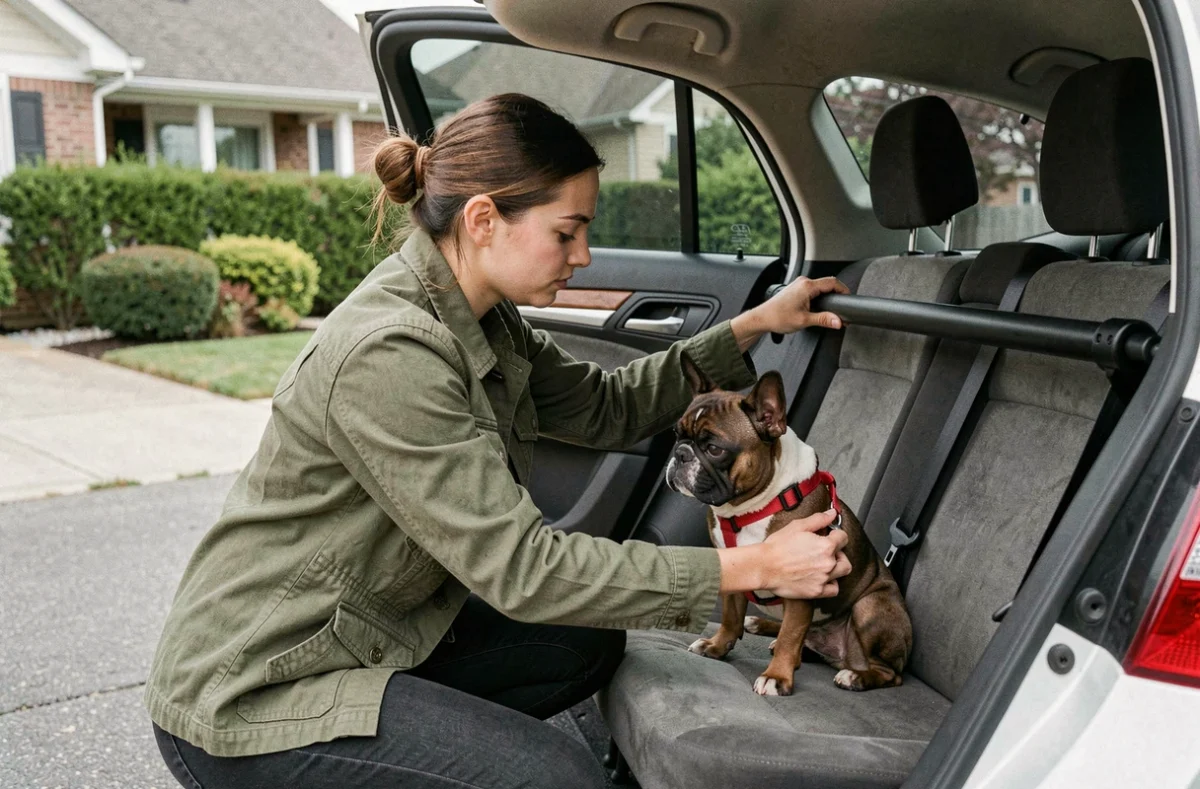
Neonatal monitoring: what the anti-crushing bar does not replace
The bar reduces the risk, it does not eliminate it. The first weeks after giving birth require regular checks, especially when the mother lies down to nurse. A puppy trapped between the bar and the wall can find itself in a position as dangerous as direct crushing.
Three moments concentrate the incidents:
- Just after giving birth, when the mother is tired and frequently changes position.
- During nighttime feedings, when no one is monitoring the box.
- Around the second or third week, when the puppies start to move but still lack the strength to free themselves.
A breeder mentioned in the sources consulted removes the bars around three weeks, when the puppies are mobile enough to avoid the mother. This practice shows that the bar is a temporary device, not a permanent fixture.
Maintenance and inspection between litters
Wood cracks, plastic scratches, and metal can deform under the weight of a large dog. Inspecting each bar and each panel of the box before a new litter avoids unpleasant surprises. Replacing a damaged bar costs less than a lost puppy.
The anti-crushing bar is one element among others in the safety of a whelping box: appropriate covering, controlled heating, correct sizing, and human monitoring form a coherent whole. None of these elements, taken in isolation, is sufficient to protect a litter during its first weeks of life.