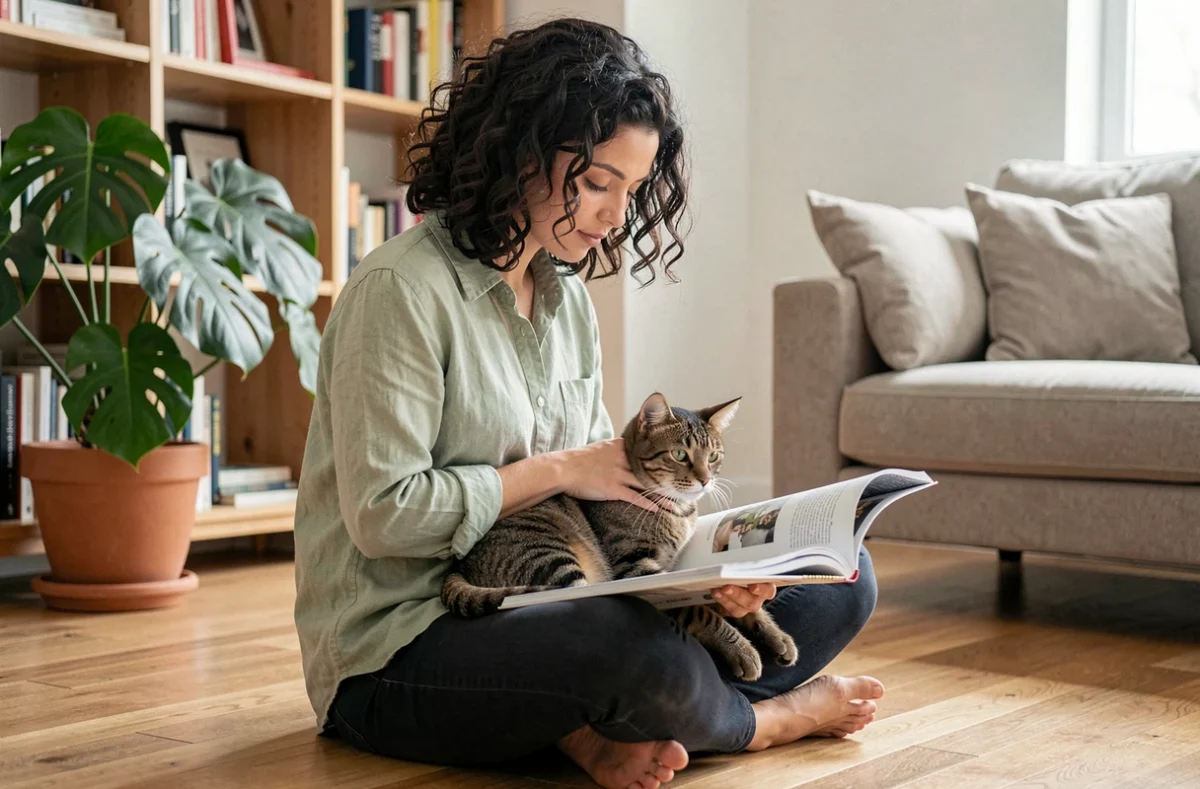
A cat urinating outside its litter box, a dog destroying the sofa while we’re away, a rabbit refusing its food for two days: these everyday situations lead thousands of pet owners each year to seek reliable answers about their animals’ behavior and health.
Recent animal news shows that the issues extend far beyond the home, from overcrowded shelters and changing regulations on pet sales to shifts in access to veterinary care.
Online listings and pet sales: what inspections reveal
When looking for a puppy or kitten on a classified ads platform, the first challenge is distinguishing a legal transfer from a non-compliant sale. According to an update published by the Fondation Droit Animal on October 23, 2026, a campaign conducted with the DGCCRF found that the vast majority of listings inspected were non-compliant.
This finding goes beyond a simple omission of legally required information. It directly affects the traceability of animal transfers and buyers’ ability to verify an animal’s origins. Missing SIREN numbers, unsubstantiated LOF registrations, and absent health certificates are among the issues involved.
At the same time, the ban on selling dogs and cats in pet shops now carries a specific penalty. Following the latest news from La Maison des Animaux helps you stay informed about these regulatory changes, which are having a tangible impact on how people acquire a companion animal.
Calls for further restrictions are also being made on events dedicated to animals. Sales between private individuals remain permitted under certain conditions, but many buyers still face uncertainty in practice.
- Always check that the seller’s SIREN number appears in the listing, including when buying from a private individual who has had more than one litter in a year.
- Ask for the veterinary health certificate, identification card (microchip or tattoo), and information document outlining the animal’s needs.
- Be wary of listings that don’t show the animal in its actual living environment or offer delivery without a prior meeting.

Overcrowded shelters and cat abandonment: the impact of uncontrolled litters
Animal welfare organizations are facing sustained overcrowding. Shelters remain full, and cats account for most arrivals. The pattern follows a predictable cycle, linked to spring and summer litters.
Most cats taken in by animal welfare organizations have not been spayed or neutered when they arrive. As a result, shelters end up caring for kittens born there because foster homes are unavailable, while continuing to take in abandoned adult cats.
On the ground, spaying and neutering remain the most effective way to ease the pressure on shelters. Some municipalities run sterilization campaigns for stray cats, but coverage varies considerably from one department to another, limiting the overall impact of these programs.
Adopting rather than buying: a decision that takes preparation
Adopting an animal from a shelter is more than an act of goodwill. You need to assess whether the animal’s profile (age, behavior, space requirements) is compatible with your everyday lifestyle. A herding dog in a studio apartment with no yard, even when adopted with the best intentions, often ends up back at the shelter.
The post-adoption adjustment period lasts several weeks, and sometimes several months for a traumatized animal. Reputable organizations offer follow-up support after adoption, but not all have the staff to provide it consistently.
Veterinary clinic consolidation and access to care in France
Access to veterinary care is undergoing a major transformation. In an opinion dated October 13, 2025, the Autorité de la concurrence estimated that the share of veterinarians working for large groups had risen from less than 2% in 2019 to around 27%. This consolidation directly affects what we experience in the waiting room.
In practice, this can mean shorter appointments, higher staff turnover at some practices, and significant differences in fees between an independent clinic and one affiliated with a group. Building a trusting relationship between veterinarian and owner becomes more difficult when you see a different practitioner at each visit.
Pet health advice: spotting the signs in everyday life
Even before a veterinary visit, you can spot potential problems by keeping an eye on a few simple but reliable indicators in your companions:
- A sudden change in appetite (a cat refusing food for more than 24 hours, or a dog drinking excessively) warrants a prompt call to the veterinary practice.
- Unusual behavior, such as prolonged isolation, sudden aggression, or compulsive licking of a specific area, often signals pain or stress.
- The frequency and appearance of stools are indicators of digestive health that many owners overlook, even though persistent changes warrant a consultation.
Understanding animal behavior: beyond common misconceptions
A purring cat isn’t necessarily relaxed. A wagging dog’s tail doesn’t always mean it’s happy. Understanding our animals’ body language means looking at the overall context, not just one signal in isolation.
In cats, ear position, pupil dilation, and tail posture form a coherent picture. Purring combined with flattened ears often indicates discomfort or even pain.
In dogs, destructive behavior while we’re away is rarely an act of revenge. It’s more likely to be separation anxiety, a behavioral disorder that affects a significant proportion of dogs and can be addressed gradually through a desensitization protocol. Punishing the animal when you return only makes the problem worse.
More and more owners are taking an interest in animal behavior, and that’s a good thing. Better understanding our companions’ everyday communication reduces misunderstandings, limits stressful situations for animals, and lowers the risk of abandonment due to difficulties living together.
Our pets’ quality of life depends largely on our ability to observe, stay informed, and act at the right time. With stricter regulations on sales, shelters struggling to cope with abandonment, and a rapidly changing veterinary landscape, every owner has good reason to keep a close eye on these developments.