
In a world where time has become a precious resource, companies are looking to optimize every aspect of their supply chain, including delivery times. Consumer and business partner expectations place immense pressure on suppliers to maintain strict deadlines while ensuring impeccable quality. Whether for customized textiles or other goods, the stakes are high. Therefore, can we truly compare the delivery times of the manufacture with those of other French or European suppliers? Cultural, logistical, and technological differences come into play, making this comparison as fascinating as it is complex.
The Rise of Delivery Times in France and Europe
Delivery times have become a strategic issue for companies. In France and Europe, suppliers are adapting to meet market demands for speed.
- Technological Innovation: Advanced technologies such as automation and artificial intelligence have enabled suppliers to significantly reduce production times. By investing in these innovations, French and European companies can now offer shorter and more competitive delivery times, reducing the time required to bring new products to market.
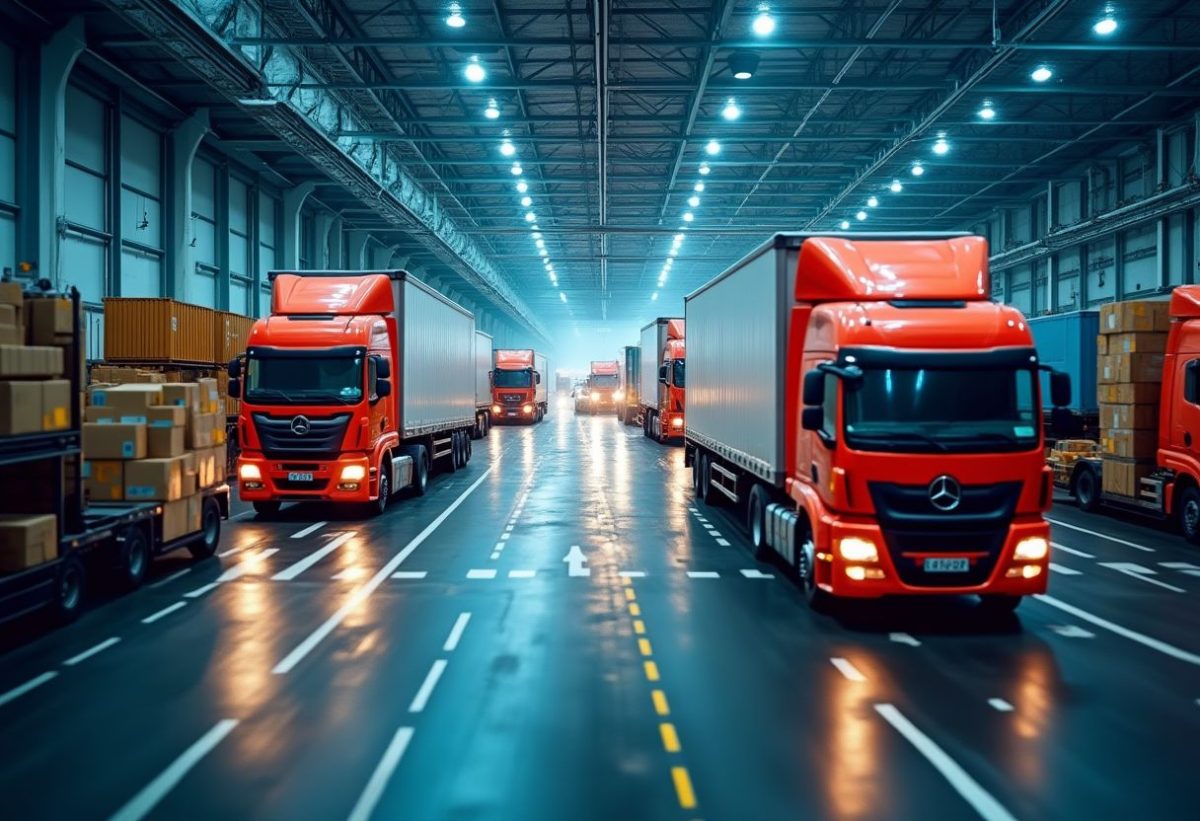
- Transport and Logistics: Transport networks in Europe are among the most developed and efficient in the world. Thanks to modern infrastructure and optimized logistics services, suppliers can quickly deliver their products to their final destinations. French companies, in particular, benefit from a strategic geographical position that facilitates access to European markets.
- Strategic Partnerships: To accelerate their supply chain, many companies partner with local and international partners. These collaborations allow for resource pooling and improve operational efficiency, thereby ensuring that delivery times are respected.
Comparison of Production Times: Influencing Factors
Production times vary significantly from one supplier to another, and several factors influence this variation, including the size of the company and its production capacity.
Large companies often have more resources to invest in cutting-edge technologies, allowing them to reduce their production times. Conversely, smaller structures may be more flexible and responsive to urgent demands, but they may also be limited by their resources.
Furthermore, geographical location plays a determining role. Suppliers located close to their customers can offer shorter times due to reduced transport distances. For suppliers located in geographically distant areas, transit time can be a major challenge.
Quality: A Challenge in the Face of Speed
While speed is essential, it must not come at the expense of quality. For French and European suppliers, the goal remains to find a balance between efficiency and excellence.
The high-quality standards imposed by the European Union encourage suppliers to maintain rigorous standards throughout the production process. Thus, even if delivery times are reduced, the quality of the products remains paramount.
Customer satisfaction relies not only on the speed of delivery but also on the quality of the received products. Consequently, companies must invest in robust quality control processes to ensure that each delivered product meets the highest expectations.
Flexibility: An Asset for Suppliers
The ability to quickly adapt to market changes is a hallmark of European suppliers. This flexibility allows them to effectively respond to changing customer demands.
Successful suppliers are those who implement agile systems capable of quickly adjusting to demand fluctuations. This includes proactive inventory management, adjusting production lines, and rapidly reallocating resources based on specific customer needs.
Moreover, adopting just-in-time production models helps reduce delivery times by minimizing unnecessary inventory and optimizing the use of available resources. This approach promotes effective supply chain management, ensuring short and reliable delivery times.
The comparison of the manufacture’s delivery times with those of other French or European suppliers reveals complex dynamics. Each, with its specificities, contributes to a constantly evolving industrial landscape. Technologies, logistical strategies, and flexibility are all levers that shape this fierce competition. Companies that master these elements have an undeniable advantage in this context where every minute counts. The race to optimize delivery times shows no signs of slowing down, and those who can adapt to this frantic pace will reap the rewards of their perseverance.