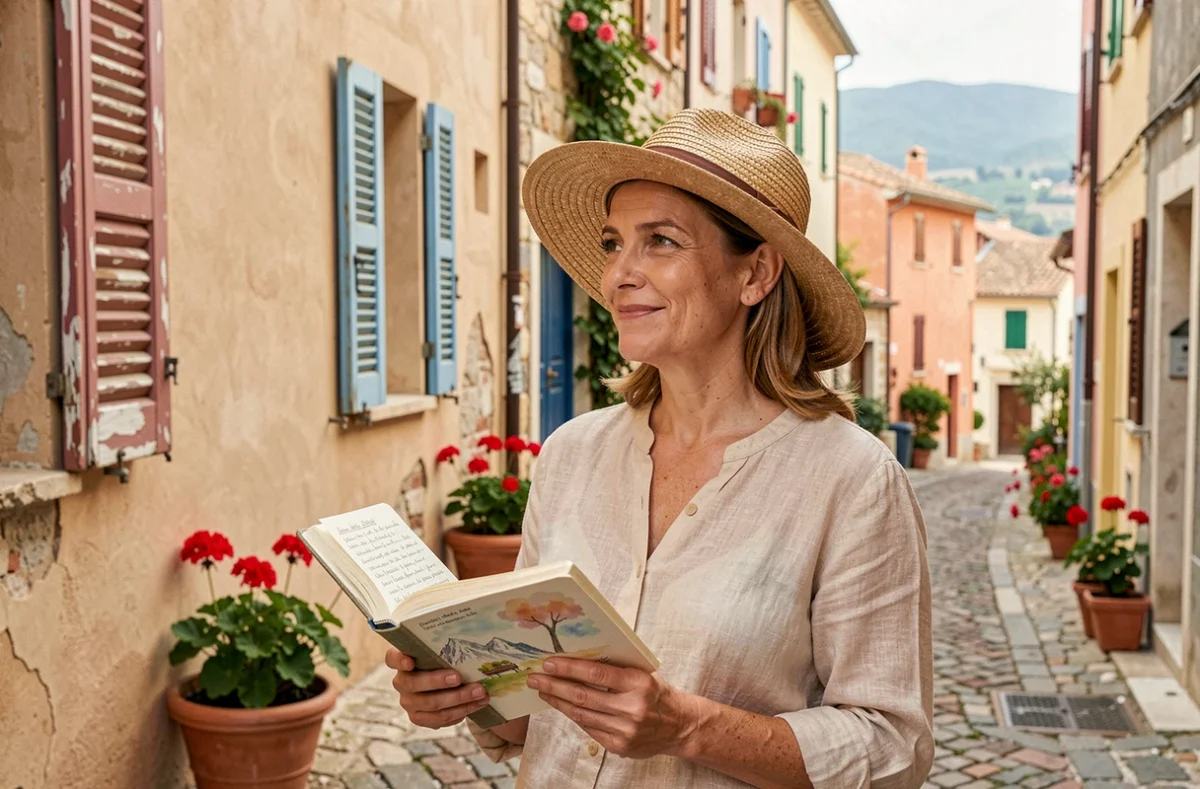
A themed trip is about more than ticking a destination off a map. Choosing a stay built around a passion—birdwatching, wine, industrial heritage or technical diving—involves factors that general travel catalogs rarely address: the true total cost, pressure on the destination, and the best time of year to go. A French parliamentary report confirms that financial considerations account for a significant share of people who do not take a vacation, making it all the more important to plan carefully before booking.
The total cost of a themed trip: beyond the advertised price
The catalog price of a themed trip often hides half the actual expense. A high-altitude photography trek calls for optical equipment, batteries suited to cold weather and sometimes specialist insurance for your gear. A local cooking course involves daily transfers to markets or farms, which are rarely included in the package.
Additional expenses often exceed the price of the trip itself for themes that require technical equipment or specialist guidance. Before comparing two offers, we recommend listing three costs that are often underestimated:
- Required personal equipment (wetsuit, binoculars, technical hiking boots) and the cost of buying it or renting it locally
- Local transfers between your accommodation and activity sites, especially in rural destinations where public transport is limited
- Mandatory guided-tour fees (licensed nature guide, permits to enter protected areas, overflight fees for a hot-air balloon ride)
A wine-themed stay in the south of France may seem affordable, but private tastings, food-and-wine pairing meals and the cost of transporting bottles home can quickly add up. Comparing offers based on the starting price alone gives a misleading picture.
Among the themed trips to discover, some list additional costs on the product page, making it easier to compare options.
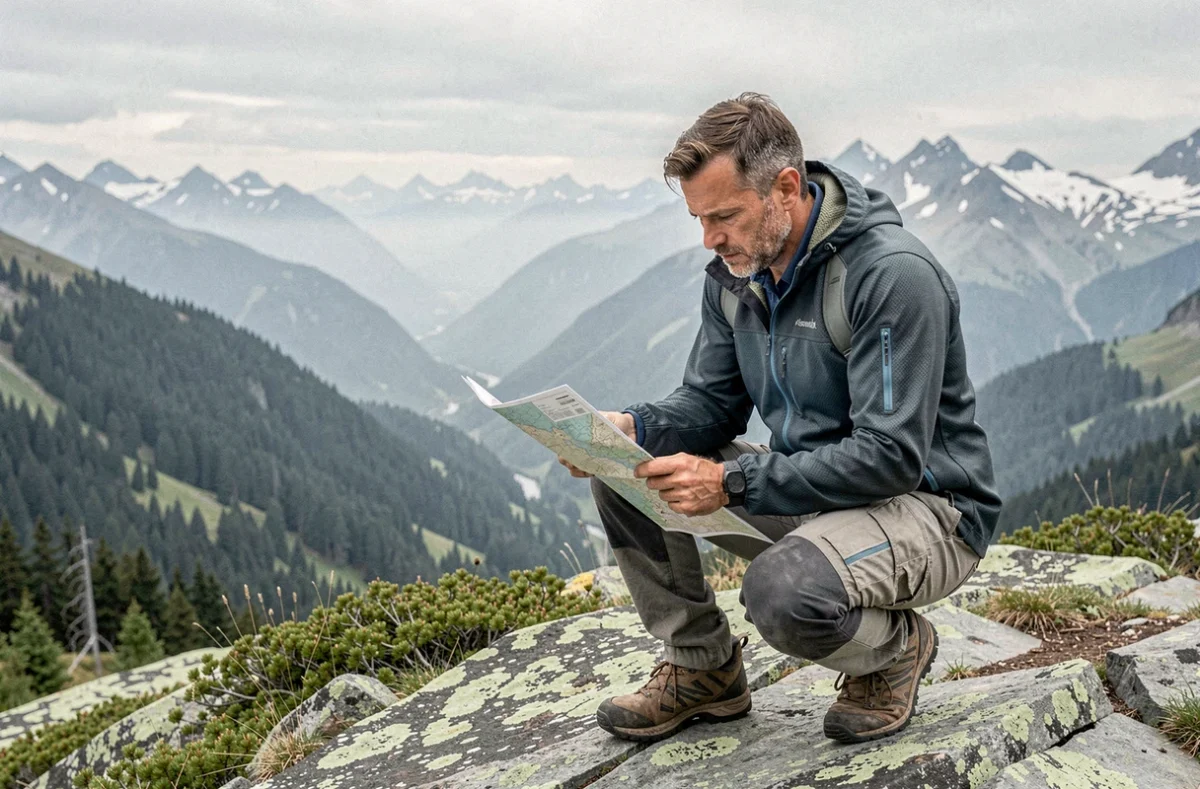
Seasonality and visitor numbers: choosing the right time for your trip
The season shapes the experience just as much as the destination does. A birdwatching trip to the Camargue is very different in August (hot weather, few migratory birds) than in October (migration stopover, low-angle light). A medieval heritage tour in the Dordogne, packed in July, becomes quieter and easier to explore in November.
The parliamentary report on tourism in France notes that themed travel can help spread visitors more evenly throughout the year and across different regions. This shift away from peak season benefits both travelers and the places they visit: lower prices, less crowded sites and more authentic interactions with local residents.
Finding the right time of year for your theme
Every passion has its own calendar. Diving in the Mediterranean offers the best visibility between June and September, but Atlantic shipwrecks are better explored in spring, before plankton clouds the water. A shift of just a few weeks can transform the quality of your trip.
For mountain-themed trips, the shift toward year-round tourism is opening up new possibilities. Resorts that once relied exclusively on skiing are developing botanical hikes, trail running and high-altitude astronomy activities for summer and fall. Choosing these time slots gives you access to accommodation facilities designed for winter, which are therefore available and often cheaper outside the snow season.
Climate impact and pressure on local areas: a selection criterion in its own right
Travel aspirations are not limited to a specific passion. A change of scenery, a chance to switch off and the opportunity to discover new landscapes are recurring priorities for French travelers. These broad motivations do not remove the need to assess whether a trip is viable for the destination.
Some iconic sites are experiencing visitor numbers that are incompatible with their preservation. A well-designed themed trip can point you toward less-visited places that offer an equivalent, sometimes even better, experience without contributing to the degradation of a headline attraction.
Choose lesser-known destinations
A food tour does not have to go through Lyon or Bordeaux to deliver on its promise. Regions such as Aubrac, the Jura and Flanders offer short supply chains, accessible producers and small-scale accommodation. The change of scenery is often more striking than in major tourist cities.
Climate change is also reshaping the map. Destinations that were once less appealing in winter are becoming more accessible thanks to milder winters, while Mediterranean sites are experiencing summer heatwaves that make some outdoor activities uncomfortable or even dangerous. Matching your chosen theme with local climate projections helps avoid unpleasant surprises.
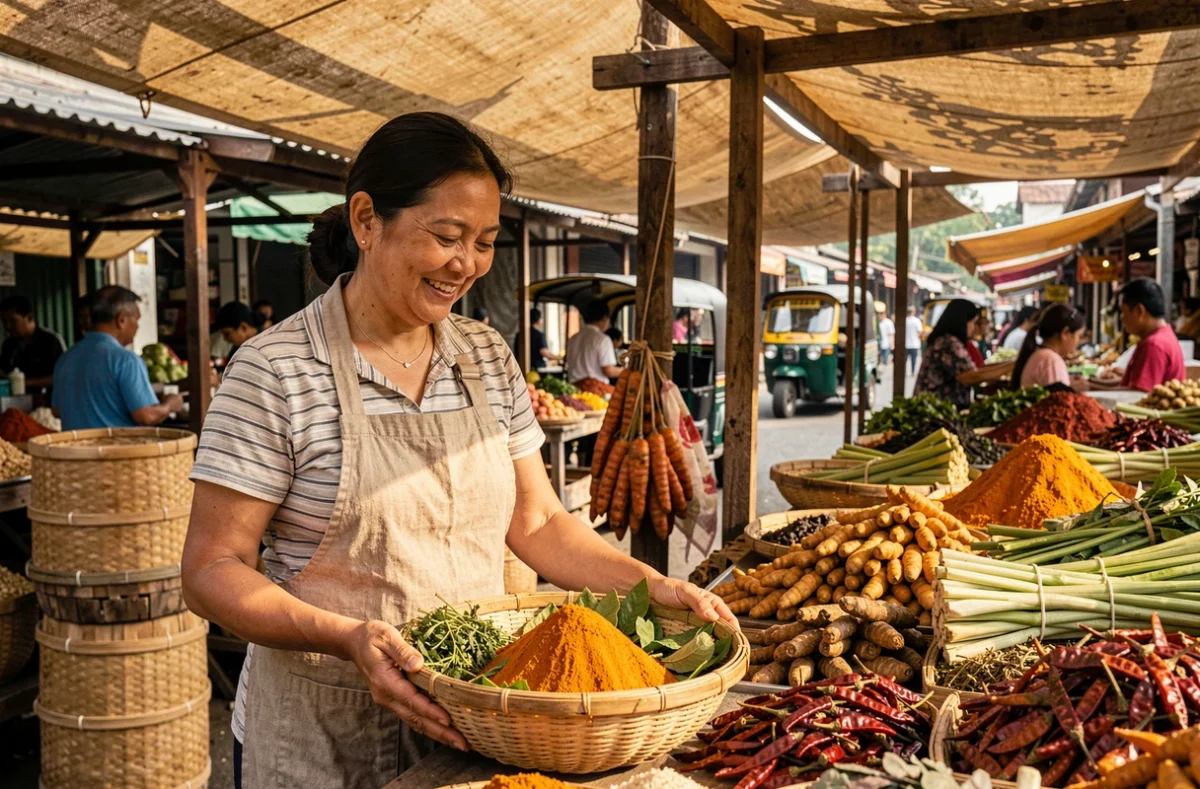
Practical criteria for choosing between two themed trips
When two offers seem comparable, a few practical checks can help distinguish well-planned trips from marketing products.
- Guide-to-participant ratio: a photography workshop with twelve people and just one instructor leaves little room for individual feedback. Aim for no more than one guide for every six to eight participants
- Guide qualifications: a certified nature guide, qualified sommelier or federation-certified instructor needs proper credentials. Check their accreditations before booking
- Transparency about local arrangements: does the provider work with local businesses (independent accommodation providers, local producers, cultural associations), or outsource to a hotel chain with no connection to the area?
- Cancellation policy for weather-related disruptions: a volcanic hiking trip should include credible alternatives in case a trail is closed
Thorough research before booking protects both your budget and the quality of your experience. The themed travel industry has become more structured in recent years, but standards still vary widely between operators. Read the terms and conditions, identify hidden costs and check that the season suits your chosen theme: these three habits are enough to rule out most poorly planned offers.